

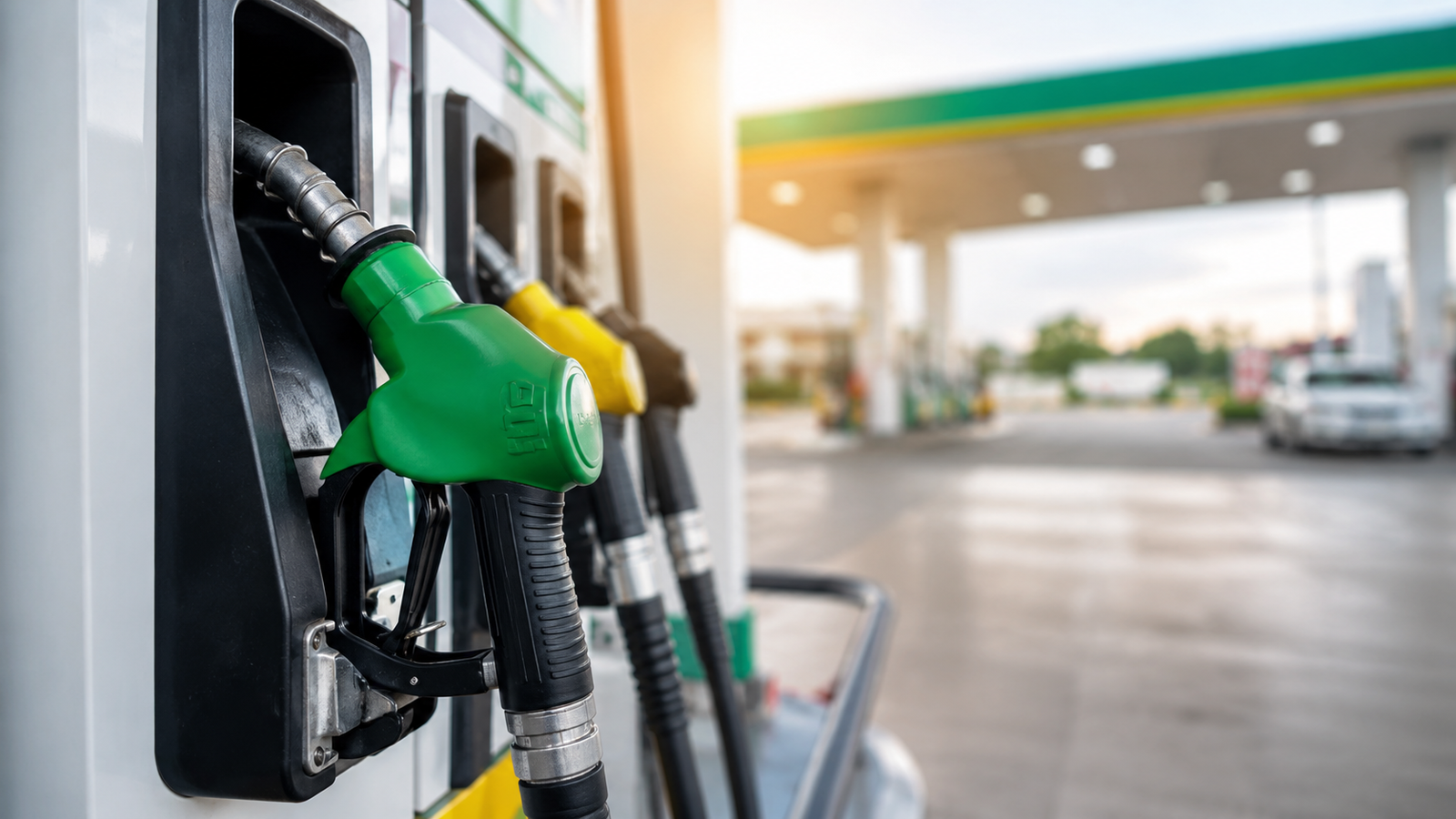
Islamabad: The federal government has moved to calm public anxiety over fuel availability, confirming that Pakistan holds sufficient petroleum stocks to meet nationwide demand even after a sharp jump in fuel consumption during the first half of July.
The assurance came from the National Coordination and Management Council (NCMC), which met under the chairmanship of Federal Minister for Petroleum Ali Pervaiz Malik to review the country’s fuel supply position. The session brought together the Oil Companies Advisory Council (OCAC), the Oil and Gas Regulatory Authority (OGRA), the Federal Board of Revenue’s (FBR) Customs Wing, and other key stakeholders.
What the NCMC Said
Officials briefed the council that Pakistan’s petroleum reserves remain adequate and that current stock levels are enough to cover consumer demand. The meeting specifically addressed an unusual spike in petrol sales recorded during the first 15 days of July, which had triggered widespread concern about a possible shortage.
OCAC representatives told the council that supply-related issues raised in recent weeks have now been reviewed and addressed. According to OGRA’s assessment, the surge in demand was likely linked to public expectations of an upcoming increase in fuel prices, a pattern that typically drives panic buying and hoarding at the retail level.
Why Petrol Demand Spiked
The concerns aren’t without basis. Industry data shows that petrol sales in the first two weeks of July ran well above normal projections and significantly higher than the same period last year, as consumers and dealers rushed to stock up ahead of an anticipated price revision. This kind of pre-emptive buying is a recurring trend in Pakistan whenever a fortnightly or weekly price review is due, since dealers and bulk buyers try to purchase fuel before rates go up.
Adding to the pressure, the Oil Companies Advisory Council had separately written to the petroleum minister warning of tightening stocks, citing delays in customs clearance of imported fuel cargoes and financial strain on oil marketing companies (OMCs) over billions of rupees in unpaid Price Differential Claims. Pakistan Customs, however, has pushed back on claims that clearance delays were to blame, stating that fuel consignments are being processed normally and that recent bottlenecks stemmed from procedural issues on the part of importing companies rather than any deliberate hold-up.
Meanwhile, dealer associations in parts of the country, including Karachi, reported that oil marketing companies had capped supplies to petrol pumps based on average monthly sales, fueling further unease at the retail level even as authorities insisted overall reserves remained healthy.
Crackdown on Hoarding Ordered
To prevent the situation from escalating, the NCMC directed OGRA to enforce strict action against hoarding of petroleum products. Provincial governments have also been instructed to take effective measures to curb stockpiling and ensure fuel keeps reaching consumers without interruption.
The council further directed all relevant departments, regulators, and industry stakeholders to maintain an uninterrupted and continuous supply of petroleum products nationwide, particularly as concerns persist in upcountry markets that are more exposed to supply disruptions.
Current Petrol Prices in Pakistan
Under the most recent price revision, petrol is currently selling at Rs. 310.71 per litre, up from Rs. 297.53, while high-speed diesel rose to Rs. 323.30 per litre. Since the Iran-Israel-linked oil market volatility earlier this year, Pakistan has shifted from fortnightly to weekly petroleum price reviews, with new rates typically announced every Friday based on international crude prices, import costs, and exchange rate movements.
What This Means for Consumers
For now, the government’s position is clear: there is no genuine shortage, and the disruption seen at some fuel stations is being attributed to hoarding and panic buying rather than an actual supply gap. Authorities are urging the public not to over-purchase fuel in anticipation of price hikes, as such behavior itself contributes to temporary shortages at the pump.
Whether this reassurance holds will likely become clearer around the next scheduled price review, when consumer behavior around any fresh rate adjustment will offer a real test of the supply chain’s resilience.
FAQs
Is there currently a petrol shortage in Pakistan?
No. The NCMC has confirmed that petroleum reserves are sufficient to meet nationwide demand, though localized supply tightness has been reported at some retail outlets due to hoarding and panic buying.
Why did petrol demand suddenly increase in July?
OGRA’s analysis points to hoarding driven by expectations of an upcoming fuel price increase, which led to a sharp, unusual rise in sales during the first half of the month.
What is the current price of petrol in Pakistan?
Petrol is priced at Rs. 310.71 per litre and high-speed diesel at Rs. 323.30 per litre under the latest review, with rates now revised weekly.
What action is the government taking against hoarding?
OGRA has been directed to strictly enforce anti-hoarding measures, while provincial governments have been instructed to prevent stockpiling and ensure uninterrupted fuel supply.







Leave a Reply