

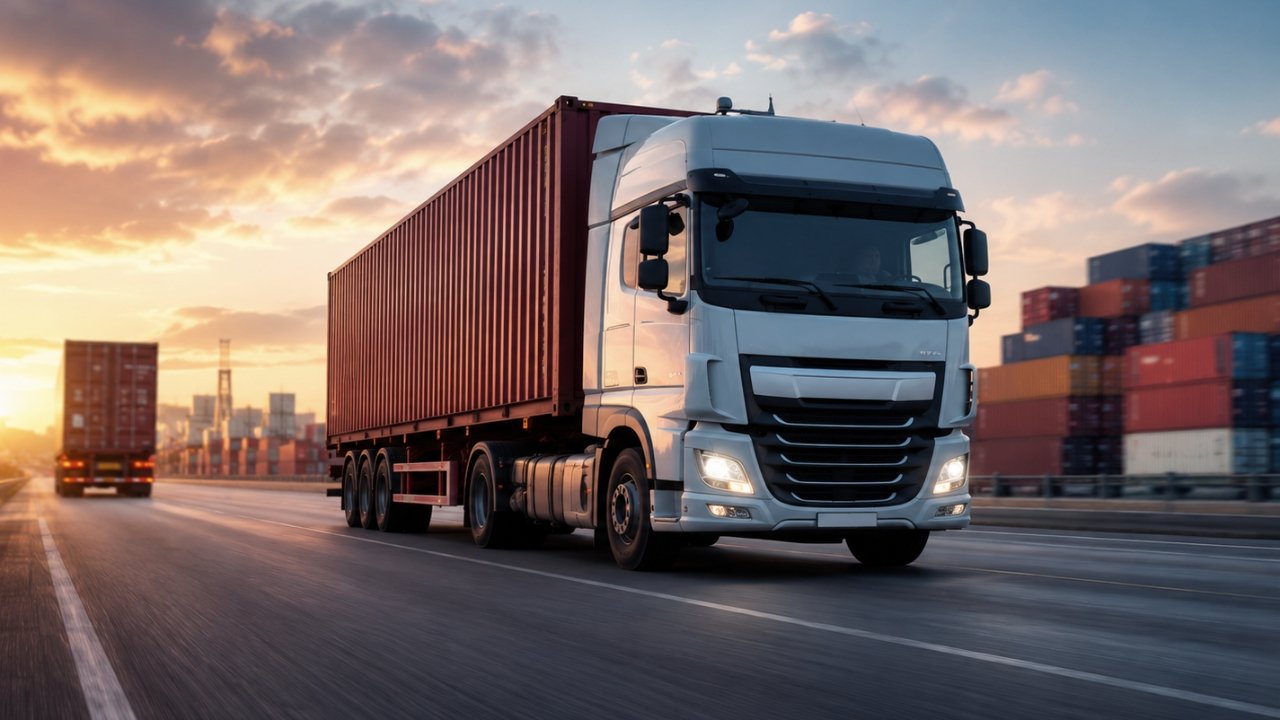
The All Pakistan Goods Transporters Association (APGTA) has announced a 10 percent reduction in freight charges nationwide after the federal government cut the price of high-speed diesel (HSD) by Rs. 32.63 per litre.
APGTA President Nabeel Mahmood Tariq welcomed the government’s decision, saying lower fuel costs would directly reduce the cost of transporting commercial goods and ease pressure on an industry that has struggled with volatile fuel prices.
Diesel Price Cut Details
According to a notification issued by the Oil and Gas Regulatory Authority (OGRA), the price of HSD was reduced from Rs. 395.69 to Rs. 363.06 per litre, effective August 20, 2026. Petrol moved in the opposite direction, rising by Rs. 2.97 per litre, from Rs. 334.54 to Rs. 337.51.
The divergence matters for the freight sector specifically: petrol is used mainly in private cars, motorcycles and rickshaws, while HSD powers the trucks and heavy vehicles that carry commercial cargo across the country. The diesel cut, not the petrol increase, is what drove APGTA’s decision to lower freight charges.
The reduction did not come through Pakistan’s routine pricing formula. Prime Minister Shehbaz Sharif directed Petroleum Minister Ali Pervez Malik to travel to Karachi and negotiate directly with oil refineries after diesel prices had climbed sharply in recent weeks amid rising global crude rates. Malik said refineries agreed to a reduction of “Rs30 to Rs32” per litre following the talks, which OGRA then finalised. Petrol was not part of that negotiation and continued to move under the standard daily review mechanism, which factors in international prices and currency movements.
Industry Reaction
Tariq said the freight rate cut would lower transportation expenses for businesses and traders, and could eventually pass some relief on to consumers if reduced logistics costs are reflected in the retail prices of goods. He added that transporters had faced growing operating costs due to repeated fuel price swings.
Tariq urged the government to hold the current diesel price for at least one week so that transporters and the public can benefit from the lower fuel costs before any reversal. The appeal is notable because Pakistan has moved to a daily fuel price review mechanism, under which OGRA publishes revised rates each day based on international markets — meaning gains from a single cut can be offset quickly by the next revision. Underlining that volatility, the price review a day earlier had moved in the other direction, with diesel rising Rs. 5.27 per litre and petrol Rs. 3.34 per litre.
Why It Matters
Diesel is the primary input cost for Pakistan’s freight and logistics sector, and swings in its price are typically passed through to the cost of moving goods nationwide. A sustained reduction would lower shipping costs for businesses and traders, though the extent of any benefit to end consumers depends on whether retailers pass on the savings — a link that has historically been inconsistent in Pakistan’s supply chain.







Leave a Reply