

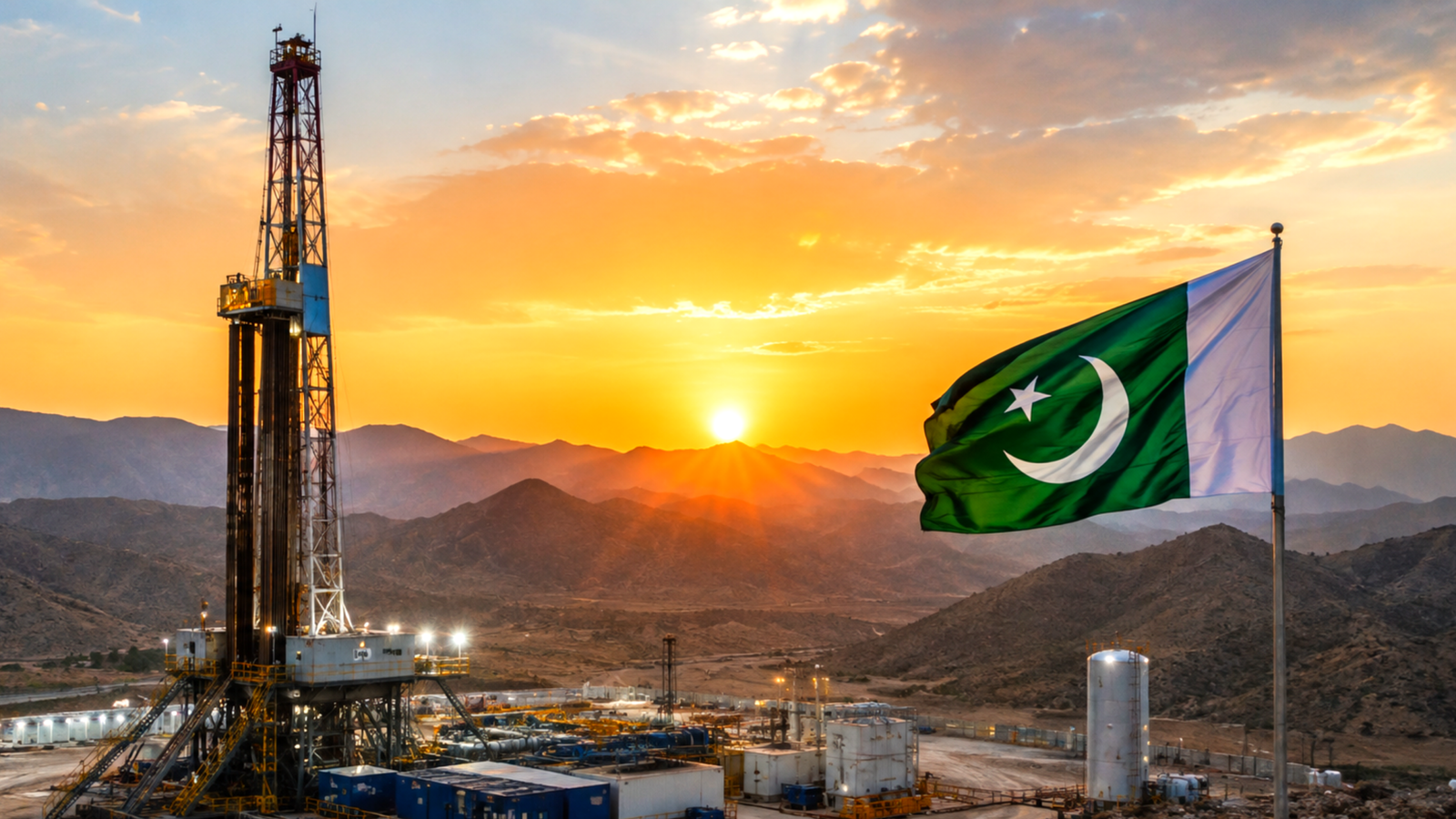
ISLAMABAD: The Oil and Gas Development Company Limited (OGDCL) marked Pakistan’s 79th Independence Day by tying the country’s energy security to its own indigenous exploration and production programme, with the company’s top executive describing domestic hydrocarbon output as a national responsibility rather than a corporate slogan.
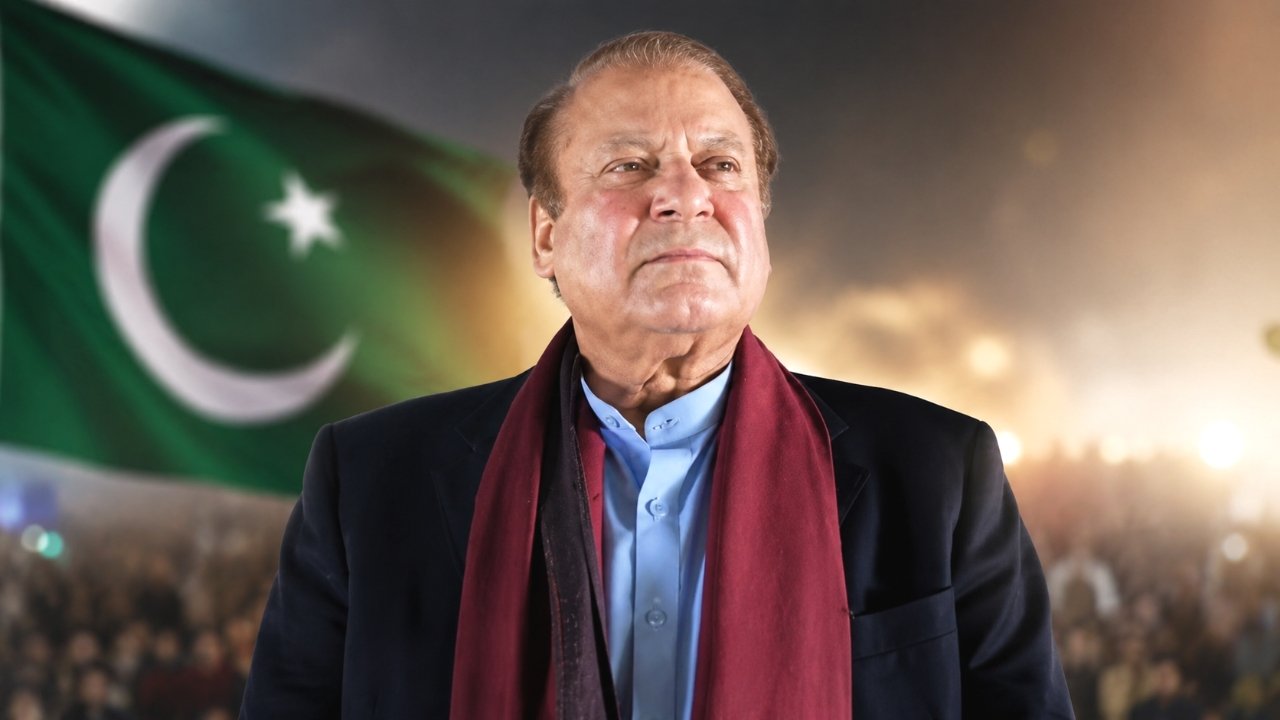
In a message issued ahead of Independence Day on August 14, Managing Director and Chief Executive Officer Ahmed Hayat Lak said the task of securing Pakistan’s energy future rests with institutions capable of delivering indigenous solutions, and that OGDCL remains committed to that role, according to a report published by ProPakistani late Thursday.
What the MD/CEO Said
Lak said independence carries a responsibility that every generation must extend, framing it as building an economy more resilient and able to meet its critical needs through its own resources and capabilities. He argued that a secure, reliable energy supply underpins industry, business, communities and economic growth, and described energy security as a continuous undertaking rather than a talking point.
“Every barrel produced domestically is a barrier against import dependence,” Lak said, adding that each new discovery adds to the country’s economic sovereignty. He said OGDCL’s teams across the country operate with that understanding.
OGDCL’s Share of National Output
Lak said OGDCL has explored Pakistan’s geological potential and delivered oil, gas and LPG to the national energy system for more than six decades. According to the figures cited in his message, the company currently accounts for close to half of the country’s crude oil production and roughly a quarter of its natural gas output.
| Product | OGDCL’s Share of National Production |
|---|---|
| Crude oil | ~49% |
| Natural gas | ~28% |
| LPG | ~34% |
Indigenisation Drive
Lak linked energy security to reduced reliance on imported technology and expertise, pointing to OGDCL’s Indigenisation Drive as a mechanism to cut import dependence, conserve foreign exchange and build local manufacturing capacity. Through the company’s Strategic Indigenisation Unit, OGDCL has been working with domestic vendors to develop equipment and materials used in oil and gas operations, he said.
He credited every new discovery, every locally developed technology and every gain in production as a contribution toward that goal, and said OGDCL would continue expanding exploration, production and indigenisation work. Lak also thanked the federal government, industry partners and other stakeholders for their support, saying strong partnerships and a skilled workforce would remain necessary to sustain growth in exploration and output. He said Pakistan’s energy future would be shaped by innovation, local capability and responsible development, and called for a shared commitment to a more energy-secure and economically resilient country.
Why Energy Security Is in Focus
Pakistan’s reliance on imported fuel has remained a persistent strain on the economy. The country spent roughly Rs4.4 trillion ($16 billion) on petroleum imports in the last fiscal year, according to official data, with most supplies sourced from the United Arab Emirates, Saudi Arabia, Kuwait and Qatar. Reducing that bill has become a recurring theme in statements from state-run energy firms and the petroleum ministry over the past year.
OGDCL has reported a series of exploration milestones through 2026 that it has framed in similar terms. In May, the company secured eight offshore exploration blocks under the government’s Offshore Bid Round 2025, in a signing ceremony that the petroleum ministry described as part of efforts to revitalise offshore exploration, attract investment and reduce reliance on imported energy. In June, OGDCL reported the successful completion of the Chak 63-05 development well in Sindh’s Sanghar district, which began producing 600 barrels of condensate and 10.5 million standard cubic feet of gas per day.
Lak has previously pointed to improving reserve estimates as part of the same narrative. In May, he said Pakistan’s oil and gas reserves were sufficient for roughly 17 years of production, up from about 12 years estimated in 2022-23, citing new discoveries including the Baragzai X-1 find in Kohat, which he described at the time as one of the largest in the country’s history.
Background
OGDCL was established in 1961 by the Government of Pakistan with assistance from the Soviet Union under a $30 million oil exploration loan, and was restructured into a public limited company in October 1997. It is majority owned by the Government of Pakistan, which holds an 85.02 percent stake, and is listed on both the Pakistan Stock Exchange and the London Stock Exchange. The company operates 50 oil and gas fields across the country and ranks as Pakistan’s largest company by market capitalisation.
Lak was reappointed as OGDCL’s Managing Director and CEO for a three-year term beginning January 9, 2024, having first been appointed to the post in February 2023.
What Happens Next
No new policy, funding commitment or regulatory measure accompanied the Independence Day message; the company presented it as a statement of intent rather than the announcement of a new initiative. OGDCL’s existing exploration and indigenisation programmes, including work carried out through its Strategic Indigenisation Unit, are expected to continue under the company’s current operational plans.








Leave a Reply