

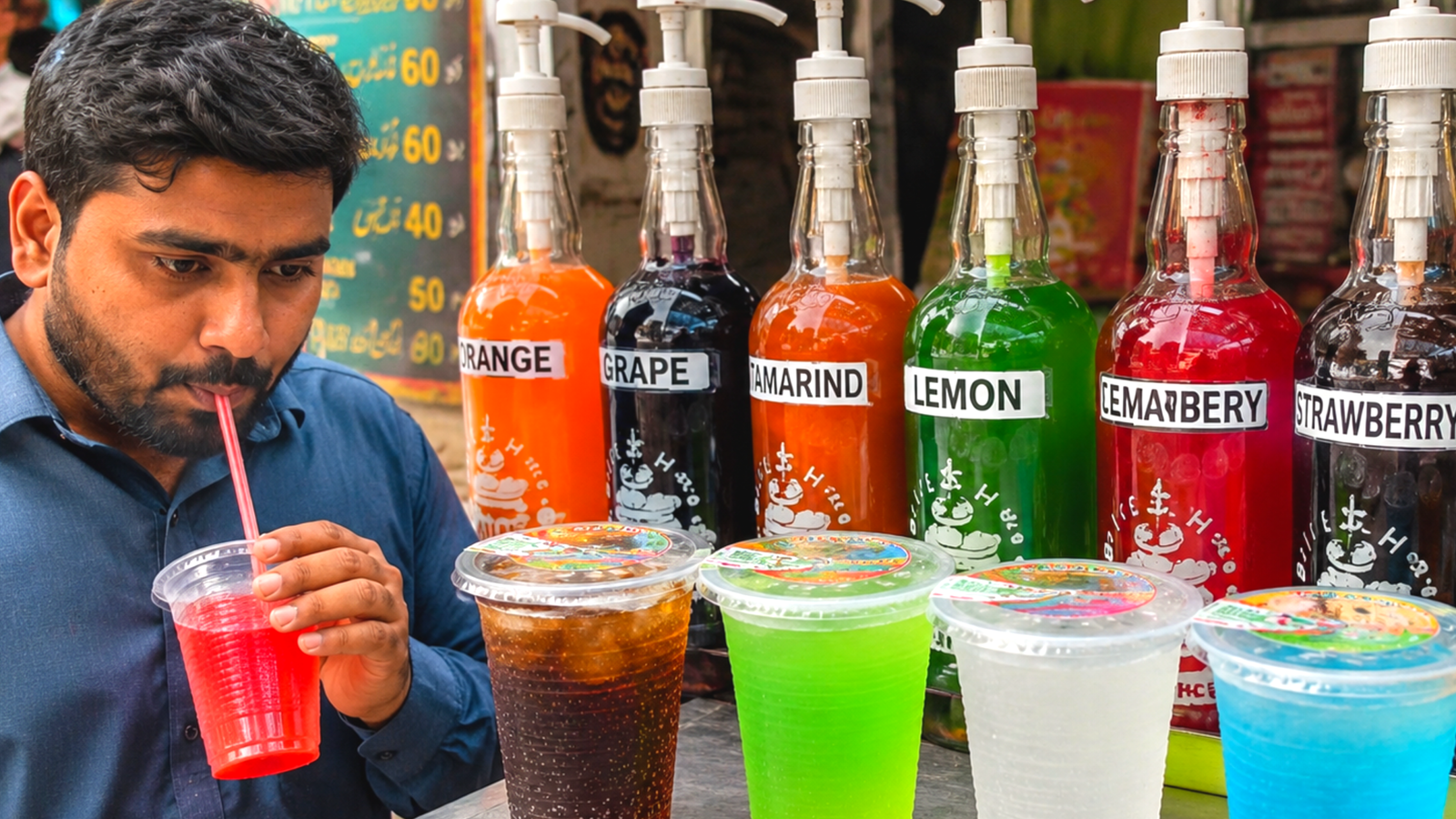
ISLAMABAD — A parliamentary committee has warned that regular consumption of artificial sweeteners and flavored drinks may be contributing to early-onset diabetes and raising the risk of certain cancers, and has ordered Pakistan’s standards regulator to overhaul safety rules for these products within two months.
The warning came Monday at a meeting of the National Assembly Standing Committee on National Food Security and Research, held at Parliament House and chaired by MNA Syed Hussain Tariq. Officials from the Pakistan Standards and Quality Control Authority (PSQCA) briefed lawmakers on the health risks associated with sugar substitutes, while the session was also attended by Minister for National Food Security Rana Tanveer Hussain, representatives of the National Institute of Health (NIH), provincial authorities and other stakeholders.
Officials Cite NIH Findings on Vulnerable Groups
Briefing the committee, officials said that regular consumption of synthetic beverages and artificial sweeteners represents a significant public health concern, citing findings from the National Institutes of Health. They told lawmakers that children, pregnant women and breastfeeding mothers face a particularly elevated risk of chronic metabolic disorders and some forms of cancer from frequent exposure to these products.
The committee also heard a more basic explanation of what separates the beverages on store shelves. PSQCA officials clarified that fruit juice is required to contain 100 percent fruit content and nectar at least 25 percent, while flavored drinks — the most widely consumed and cheapest category — contain no fruit at all.
PSQCA Ordered to Revise Standards Within Two Months
Lawmakers directed PSQCA to convene its technical committee in Islamabad at the earliest opportunity to review the health concerns and develop formal policy recommendations. That meeting is expected to bring together members of the standing committee, officials from the Ministry of National Health Services, the NIH, mango growers’ representatives and other affected stakeholders.
The committee set a two-month deadline for PSQCA to revise its existing quality standards governing artificial sweeteners and flavored beverages.
What the New Rules Are Expected to Cover
Based on the committee’s directives, the revised regulations are expected to include:
- Accurate product labeling and a ban on misleading health or nutrition claims
- Prominent health warnings and clearly printed expiry dates on packaging
- A requirement specifying minimum fruit pulp content, with a technical committee already weighing a proposal to mandate 5 to 10 percent real fruit content in flavored drinks
- A ban on fruit imagery for products that contain no actual fruit, requiring manufacturers to redesign existing packaging
- New rules governing plastic bottle packaging
- Warning labels advising against consumption by children under the age of 13
The committee also directed the NIH to supply supporting scientific evidence and reference international best practices to inform the final regulatory changes.
Misleading Packaging Draws Sharp Criticism
Several committee members voiced pointed objections to current labeling practices during the session. MNA Rana Muhammad Hayat criticized flavored drinks that carry mango imagery despite containing no actual mango content, arguing that manufacturers engaged in the practice should face consequences, including the closure of factories.
The secretary of the Ministry of National Food Security told the committee that health warnings on flavored drinks would be made mandatory, stating plainly that excessive consumption could be harmful to health. Officials confirmed that manufacturers will no longer be permitted to feature fruit images on packaging for products that do not actually contain that fruit, and that current labels will need to be redesigned to comply.
Background: Sweeteners Blamed for Falling Mango Demand
The scrutiny of artificial sweeteners is not new to this committee. At an earlier session this year, the same standing committee heard from the Multan Mango Growers Association that regulatory changes made by PSQCA after 2021 had allowed wider use of artificial additives and chemical sweeteners in beverage manufacturing, reducing demand for natural mango pulp. Growers’ representatives told lawmakers that Pakistan’s mango production had declined from roughly 2.2 million tonnes to about 1.8 million tonnes in recent years, a trend they linked partly to the shift toward synthetic ingredients in the beverage industry.
That earlier briefing also raised the possibility that expanded use of artificial sweeteners carried longer-term health implications, a concern that appears to have fed directly into Monday’s more explicit warning about cancer and diabetes risk.
What the Broader Science Says
The global scientific picture on artificial sweeteners remains mixed, and Monday’s committee proceedings did not claim otherwise. The World Health Organization’s International Agency for Research on Cancer classified aspartame, one of the most common artificial sweeteners, as “possibly carcinogenic to humans” in 2023, a category reserved for substances with limited evidence of cancer risk. At the same time, the WHO’s Joint FAO/WHO Expert Committee on Food Additives has maintained that consumption within established acceptable daily intake limits does not pose a known health risk.
Pakistani lawmakers have increasingly scrutinized popular beverages in recent months; a senator separately raised concerns in July about energy drinks and cardiovascular risk. Monday’s session reflects a broader pattern of parliamentary attention to beverage safety and labeling standards, though the committee’s directives to PSQCA focus on regulatory reform rather than an outright ban on any product category.
What This Means for Consumers and Manufacturers
For consumers, the most immediate change will likely be visible on store shelves once PSQCA finalizes its revised standards: clearer labeling, mandatory health warnings, printed expiry dates, and packaging that no longer shows fruit that isn’t actually in the product. Parents of young children, along with pregnant and breastfeeding women, are the groups officials specifically flagged as facing higher risk from frequent consumption of these beverages.
For manufacturers, the two-month timeline means beverage companies operating in Pakistan’s flavored drinks segment should expect to redesign packaging, review formulations against any new minimum fruit-content requirement, and prepare for closer regulatory scrutiny of marketing claims. Companies that rely heavily on fruit imagery for products with little or no actual fruit content are likely to face the most significant compliance changes.
What Happens Next
PSQCA’s technical committee is now expected to convene in Islamabad to begin drafting the revised standards, with input from the Ministry of National Health Services, the NIH, mango growers and other stakeholders. The NIH has been tasked with providing the scientific backing and international regulatory comparisons the committee said it needs before finalizing new rules.
With a two-month deadline now in place, the standards are expected to return to the National Assembly committee for review before any formal rollout, and further hearings on the issue are likely as PSQCA finalizes its recommendations.








Leave a Reply