

Amazon has announced a major $11.6 billion agreement to acquire satellite communications company Globalstar, a move that will directly impact satellite connectivity services used in Apple devices, including the iPhone and Apple Watch. The deal marks a significant step in Amazon’s effort to expand its presence in the global satellite internet market and compete with industry leader Starlink.
The acquisition gives Amazon full control of Globalstar’s satellite network, spectrum licenses, and infrastructure, which currently power key satellite-based features on Apple devices such as Emergency SOS, location sharing, and messaging in areas without cellular coverage.
Amazon Expands Satellite Ambitions with Globalstar Deal
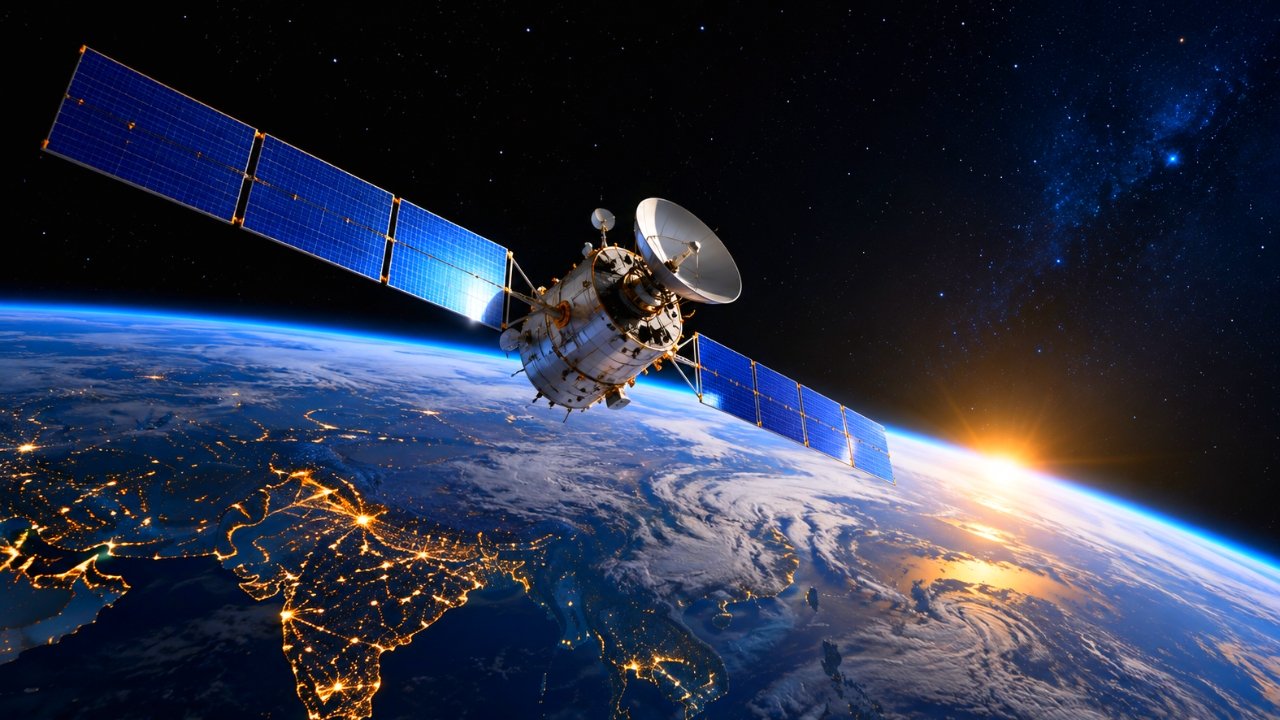
Amazon has been developing its low-Earth orbit satellite network, known as “Amazon Leo,” as part of its long-term strategy to provide connectivity in remote and underserved regions. The Globalstar acquisition will significantly strengthen this effort by adding direct-to-device (D2D) technology, allowing smartphones to connect directly to satellites without relying on traditional cell towers.
The company plans to deploy thousands of satellites in the coming years, with an initial rollout expected by mid-2026 to meet regulatory requirements. Over time, Amazon aims to scale the network to compete with SpaceX’s Starlink, which currently dominates the market with more than 10,000 satellites in orbit.
Despite the progress, analysts note that Amazon still faces challenges, including delays in satellite launches and reliance on external rocket providers, which could slow its expansion plans.
Apple Devices Will Continue Using Satellite Connectivity
As part of the agreement, Apple’s existing and future devices will continue to rely on Globalstar’s satellite services, which will gradually integrate into Amazon’s expanding Leo network. This ensures uninterrupted service for users who depend on satellite features in areas without mobile coverage.
Apple first introduced satellite connectivity with the iPhone 14 in 2022, enabling users to contact emergency services and stay connected even in remote locations. Since then, the feature has expanded to include messaging, location tracking, and roadside assistance via satellite.
The new agreement also opens the door for future enhancements, including faster data services, broader global coverage, and potential support for more advanced applications such as satellite-based internet access directly on smartphones.
Direct-to-Device Technology to Shape Future Connectivity
A key part of Amazon’s strategy is the development of its next-generation direct-to-device satellite system, expected to launch around 2028. This technology will allow mobile phones to connect directly to satellites for voice, text, and data services, even in areas with no network coverage.
This approach is expected to play a critical role in bridging the digital divide, particularly in rural and disaster-prone areas where traditional infrastructure is limited or unreliable. It also positions Amazon to compete more aggressively with Starlink, which is already offering similar services through partnerships with telecom operators.
Growing Competition in Satellite Internet Market
The Amazon-Globalstar deal highlights the intensifying competition in the satellite connectivity sector, where major technology companies are racing to build global communication networks. While Amazon is still behind in deployment, the acquisition gives it valuable assets and an established relationship with Apple, providing a strong foundation for future growth.
With Apple continuing to rely on satellite technology for critical features and Amazon investing heavily in its Leo network, the partnership signals a major shift in how smartphones will stay connected in the future, especially in regions beyond the reach of traditional mobile networks.










Leave a Reply