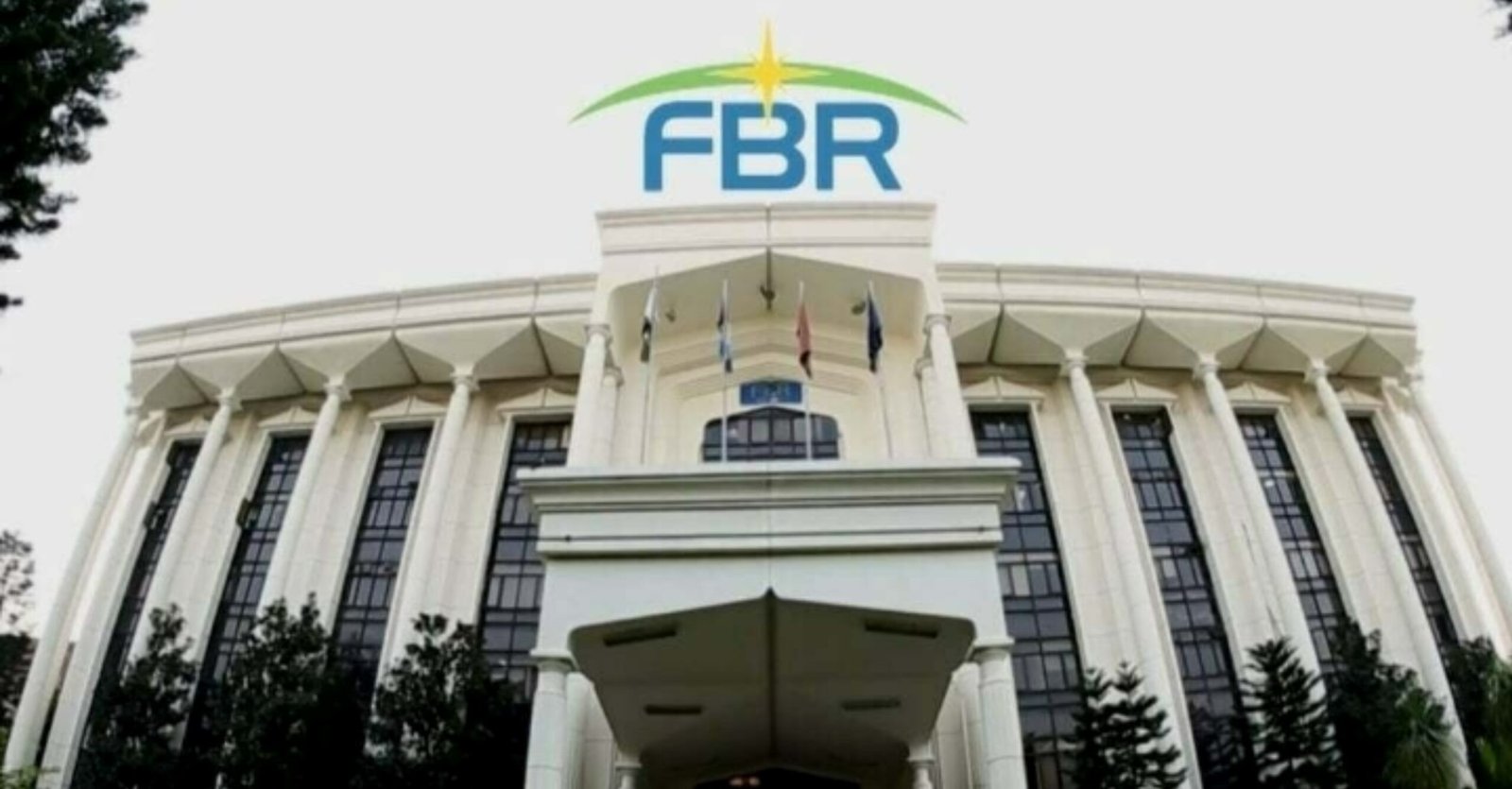
ISLAMABAD — In a landmark Judgment, the Federal Constitutional Court (FCC) had allowed that the tax authorities in Pakistan are legally empowered to carry out raids and searches without any notice or any past case on the taxpayer.
Here’s your sentence rewritten in simple English:
The Federal Constitutional Court rejected an appeal from M/s Sceptre Pvt Ltd against a Sindh High Court decision that had approved a tax raid in December 2025. The company had argued that tax officials should only be able to conduct raids when a formal case is already in progress, and that a notice under Section 176 of the Income Tax Ordinance, 2001 could not be used to justify a search.
However, the Federal Constitutional Court said that Section 175 of the Income Tax Ordinance gives wide powers to the tax commissioners and authorised officers to enforce tax laws, even if no case has been registered. The court explained that the word “enforcement” in the law means taking action when belived that thhe law had been broken, so tax officials do not need advance notice or an formal case to carry out lawful raid on taxpayer.
Court’s Interpretation
In the detailed written judgment, the bench emphasised the principle of statutory interpretation, stating that the language of law was clear and easy to understand, courts cannot add any lawmark to it.This means judges definately follow the langyage of statue.
The judgment further observed that Parliament has intentially given tax authorities wide enforcement powers to ensure compliance with tax laws and redice revenue loss. Thus, imposing requirements such as advance notice or a pre-existing case would run contrary to legislative intent.
Record-Keeping and Accountability
While allowing the tax authorities tk raidwithout warning, the court also mention that the tax commissioner must record in writing the specific reason of raid before going to the raid. This record should mention the relevant legal provision and the suspected violation that justifies the raid. The court explained that this requirement is meant to ensure transparency and accountability in tax enforcement actions.
Implications for Tax Enforcement
Legal experts say that it will likely to strengthen the enforcement capabilities of the Federal Board of Revenue (FBR) and other tax authorities, as it removes legal hurdles that restrictions, limited surprise inspections to cases where case was already in progress. However, some critics warn that these expanded powers should be used carefully and balanced with safeguards to prevent misuse and protect taxpayer rights.
The court’s decision is being seen as an important precedent for how tax enforcement powers and executive authority should be interpreted. The Federal Constitutional Court’s ruling makes it clear that judges cannot add restrictions that are not part of the law when the language of the statute is clear and unambiguous.